Skip to content
Table of Contents
ToggleSummary — Do You Really Need Climate-Controlled Storage?
If your long-distance move includes electronics, wood furniture, documents, or storage longer than 90 days, climate-controlled storage is usually worth it. It protects belongings from heat, cold, and humidity damage that regular storage can’t prevent. For short-term storage with durable items, standard storage may be enough.
Should I Get Climate-Controlled Storage When Moving Long Distance?
Long-distance moves often include storage-in-transit, delayed delivery windows, or temporary housing gaps. That means your belongings may sit in storage for weeks or even months. Choosing the wrong storage type can lead to warped furniture, damaged electronics, mold, or ruined documents.
Here’s what actually matters when deciding.
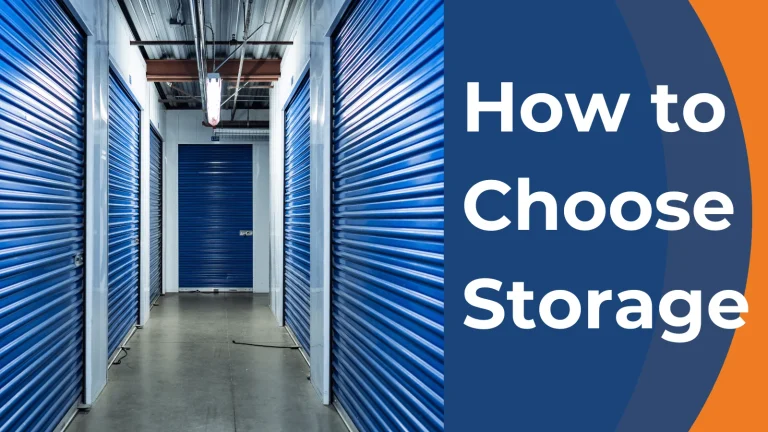
What Climate-Controlled Storage Does
Climate-controlled storage keeps units between 55°F and 85°F year-round, with humidity typically maintained around 50–55%. This stable environment prevents:
- Moisture buildup
- Extreme heat damage
- Cold-related cracking
- Condensation inside electronics
Many professional moving companies that offer long-distance moving services with storage provide climate-controlled warehouses as part of their storage-in-transit options.
When Climate-Controlled Storage Is Worth It
Storing Items Longer Than 90 Days
Once storage exceeds three months, belongings experience seasonal temperature shifts. Heat followed by cold (or vice versa) causes expansion, contraction, and moisture buildup. Climate control becomes increasingly important after the 90-day mark.
Moving To or From Humid Regions
High-humidity areas create mold and mildew fast. If your move involves destinations like Florida, Louisiana, the Pacific Northwest, or coastal regions, climate-controlled storage protects against moisture damage—especially for furniture and paper items.
Extreme Heat or Cold Routes
Long-distance moves from California to places like Texas, Arizona, or Nevada expose items to intense heat. Moves to colder regions such as the Midwest or Northeast bring freezing temperatures. Climate control protects items during storage between transport legs.
Furniture Made of Wood or Leather
Wood expands and contracts with temperature changes, causing warping and cracking. Leather absorbs moisture and can develop mold. Climate-controlled storage prevents both issues.
Electronics and Appliances
TVs, computers, gaming systems, and appliances suffer internal condensation when temperatures fluctuate. Stable temperature and humidity significantly reduce the risk of corrosion and failure.
Important Documents and Photos
Paper curls, yellows, and grows mold in unstable environments. Financial records, legal paperwork, and family photos should always be stored in climate-controlled conditions.
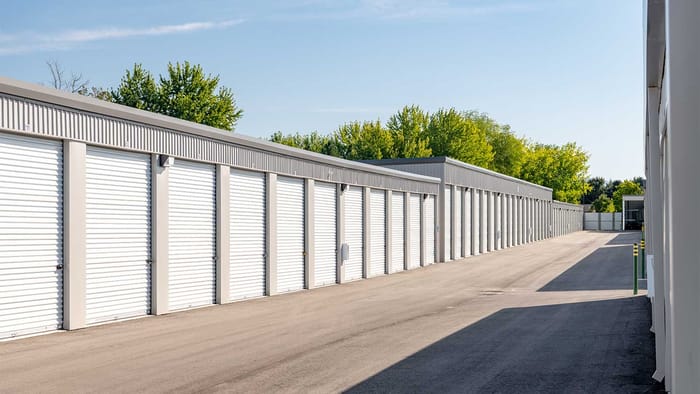
When Climate-Controlled Storage Is Not Necessary
If your storage period is under 60–90 days and you’re storing durable items like:
- Plastic storage bins
- Metal tools
- Outdoor furniture
- Garage equipment
Regular storage is often sufficient—especially in mild climates.
Some movers offering short-term storage during a California long-distance move may include climate control automatically, but you don’t always need to pay extra for it if your items are low-risk.
How Much Does Climate-Controlled Storage Cost?
Climate-controlled storage typically costs 20% to 50% more than standard storage.
Average monthly costs:
- Regular storage: ~$150/month
- Climate-controlled storage: ~$190–$225/month
For a 10×10 unit over six months, climate control may cost $400–$500 more total. Replacing damaged furniture or electronics often costs far more than the added storage fee.
Many movers that provide storage coordination during long-distance relocations offer bundled pricing that reduces overall cost.
What Many People Don’t Know About Climate-Controlled Storage
Portable Containers vs Storage Facilities
Portable containers themselves are not climate-controlled during transport. However, reputable moving companies store containers inside climate-controlled warehouses, which protects belongings during extended storage periods.
Not All “Climate Control” Is Equal
Some facilities only regulate temperature, not humidity. Always ask:
- Temperature range maintained
- Whether humidity is actively controlled
- How often conditions are monitored
Climate Depends on the Destination
A move involving dry climates like Phoenix may require less climate control than moves involving high-humidity cities like Houston or Seattle.
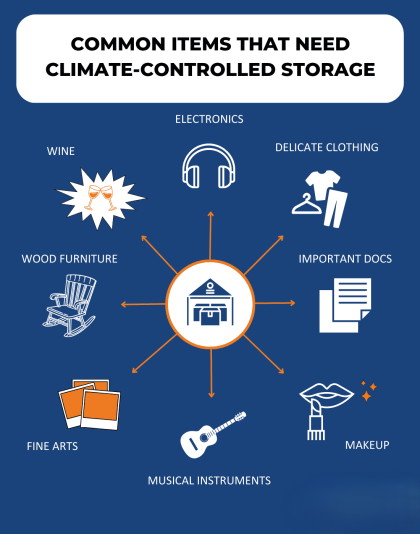
Items That Absolutely Require Climate-Controlled Storage
- Musical instruments
- Artwork and collectibles
- Antiques and heirlooms
- Vinyl records
- Wine collections
- Books and paper goods
- Clothing and fabrics
- Medical equipment
- Business inventory sensitive to temperature
If you’re unsure, movers offering professional packing and storage services can assess your inventory and recommend the safest option.
How to Choose the Right Storage Option
Ask yourself three questions:
- What am I storing?
- Where is it going?
- How long will it be stored?
Example:
- A Bay Area to New York move with furniture and electronics stored for four months → climate control recommended
- A short California move with plastic bins stored for six weeks → regular storage may be fine
Ask movers:
- Where exactly will items be stored?
- Is the warehouse climate-controlled?
- Can they provide documentation or photos?
Get everything in writing—especially if storage is included as part of a long-distance moving quote.
Frequently Asked Questions
How much more does climate-controlled storage cost for long-distance moves?
Climate-controlled storage costs about 20–50% more, averaging $190–$225 per month compared to $150 for standard storage. Over six months, expect roughly $400–$500 in added cost.
Will my moving company automatically include climate-controlled storage?
No. Climate control is usually optional and must be requested. Some long-distance movers include it by default for storage-in-transit, but most charge extra.
Can I switch to climate-controlled storage after my move starts?
Sometimes. Availability varies, and some companies charge transfer fees. Switching mid-storage often costs more than planning ahead.
What temperature is best for storing electronics?
Electronics should be stored between 55°F and 85°F with humidity around 50–55% to prevent condensation and corrosion.
Is climate-controlled storage worth it for a two-month move?
It depends. Furniture, electronics, photos, and wood items benefit even short-term. Durable items usually don’t. Seasonal extremes increase risk.
Get Expert Advice Before You Store Anything
Storage decisions can permanently affect your belongings. Before choosing regular or climate-controlled storage, speak with a professional who understands long-distance moving logistics and storage-in-transit options.
Get a personalized recommendation based on your inventory, destination, and timeline—so your belongings arrive in the same condition they left.